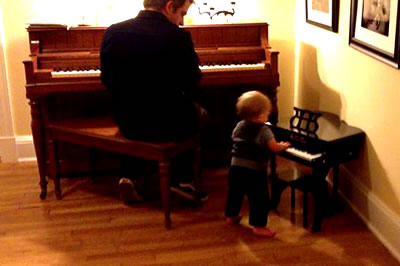
When buying a piano, you should consider your purpose and skill level, the type of piano (acoustic vs. digital), budget, space, condition (new vs. used), maintenance needs, and after-sales support. These factors ensure you choose an instrument that fits both your musical goals and practical circumstances.
Key Factors to Consider When Purchasing a Piano
1. Purpose & Player Profile
-
Beginner vs. Advanced: A beginner may start with a reliable upright or digital piano, while advanced players often need the responsiveness of a grand.
-
Usage: Is it for practice, performance, teaching, or casual enjoyment? Your purpose influences the type and size of piano.
2. Type of Piano
-
Acoustic Upright: Compact, traditional sound, suitable for most homes.
-
Acoustic Grand: Superior tone and touch, but requires more space and budget.
-
Digital Piano: Affordable, portable, low maintenance, with headphone use for quiet practice.
-
Hybrid: Combines acoustic action with digital features.
3. Budget & Hidden Costs
-
Initial Price: Uprights range from affordable to mid-tier; grands are premium.
-
Maintenance: Acoustic pianos need regular tuning (2–4 times/year) and occasional regulation.
-
Moving Costs: Especially in Hong Kong high-rises, moving can cost considerably.
-
Accessories: Bench, cover, dehumidifier rods, etc.
4. Space & Environment
-
Size: Uprights fit smaller flats; grands need larger rooms.
-
Humidity Control: Hong Kong’s climate requires dehumidifiers to protect wood and strings.
-
Noise Considerations: Digital pianos allow headphone practice, useful in apartments.
5. Condition: New vs. Used
-
New: Warranty, reliability, but higher cost.
-
Used: Lower price, but condition varies—inspection by a technician is essential.
6. Tone & Touch
-
Tone Quality: Bright vs. mellow sound—depends on brand and model.
-
Touch Response: Key weight and action consistency are critical for developing technique.
7. After-Sales Support
-
Warranty: Dealers often provide 1–5 years.
-
Service Network: Availability of qualified technicians for tuning and repairs.
-
Trade-In Options: Some dealers allow upgrading later.
8. Resale Value
-
Well-known brands (Yamaha, Kawai, Steinway) hold value better.
-
Lesser-known brands may depreciate quickly.
Practical Advice
-
Always play-test the piano before purchase.
-
Bring a technician if you’re unsure about evaluating tone and touch.
-
Don’t rush—compare multiple instruments and sellers.
-
Think long-term: a piano is a 10–30 year investment, not just a short-term purchase.
Leave a Reply