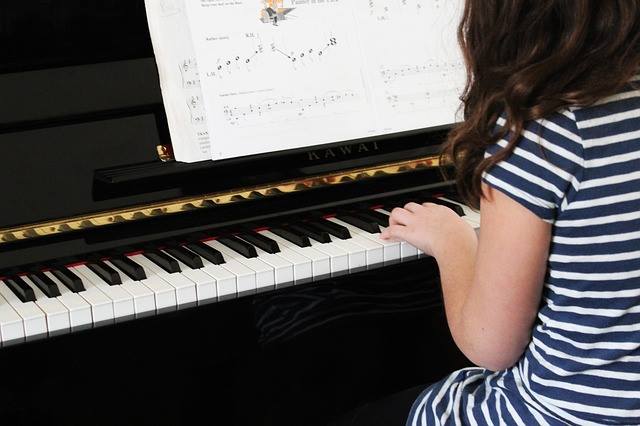
Teaching pianos—those used daily in music schools, studios, or by private teachers—require extra care compared to a home piano. The reason is simple: they are not just instruments, but tools for learning, and their condition directly affects how students develop.
Why Teaching Pianos Need Extra Care
-
Heavy & Frequent Use
-
Teaching pianos are played for many hours every day by multiple students.
-
This constant use accelerates wear on hammers, keys, and action parts, making regular regulation and voicing essential.
-
-
Tuning Stability
-
Frequent playing causes strings to shift slightly, and the constant hammer strikes loosen tuning stability faster than in lightly used pianos.
-
If the piano is out of tune, students develop poor pitch recognition and bad listening habits.
-
-
Educational Accuracy
-
Students rely on the piano to train their ear.
-
An out-of-tune piano undermines their sense of intonation, rhythm, and musicality.
-
-
Professional Image
-
For teachers, a well-maintained piano reflects professionalism and care.
-
Parents and students notice when the instrument sounds poor, which can affect reputation.
-
-
Preventive Maintenance
-
Since teaching pianos endure more wear, small issues (sticky keys, uneven touch, worn hammers) appear sooner.
-
Regular servicing prevents these from becoming major, costly repairs.
-
Practical Recommendations for Teaching Pianos
-
Tuning: At least 3–4 times per year (instead of the usual 2-3 for home use).
-
Action Regulation: Every 1–2 years, depending on usage intensity.
-
Voicing: As needed, to keep tone even and pleasant for students.
-
Humidity Control: Essential in classrooms or studios where climate fluctuates.
Leave a Reply