The short octave (broken octave) was a common device effectively increasing the keyboard compass of smaller instruments, without making them any physically larger.
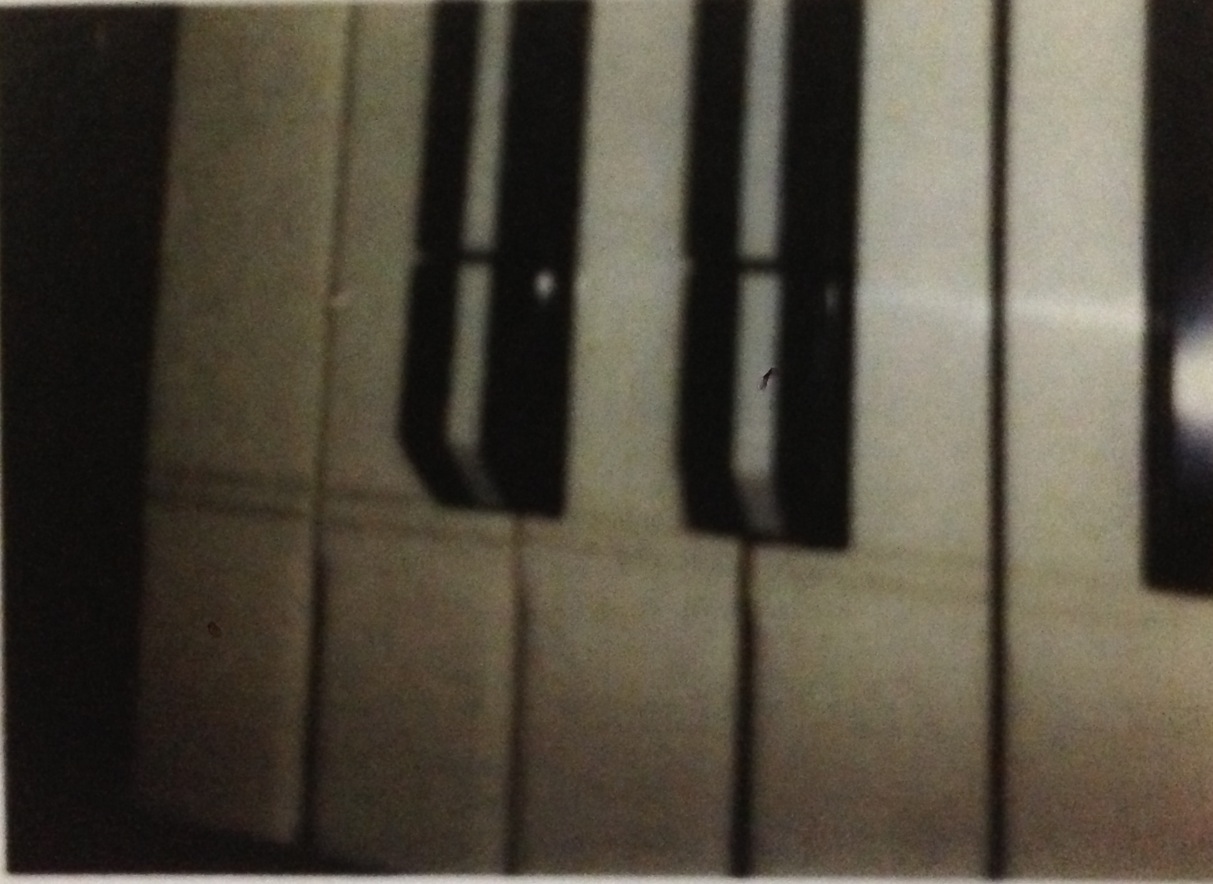
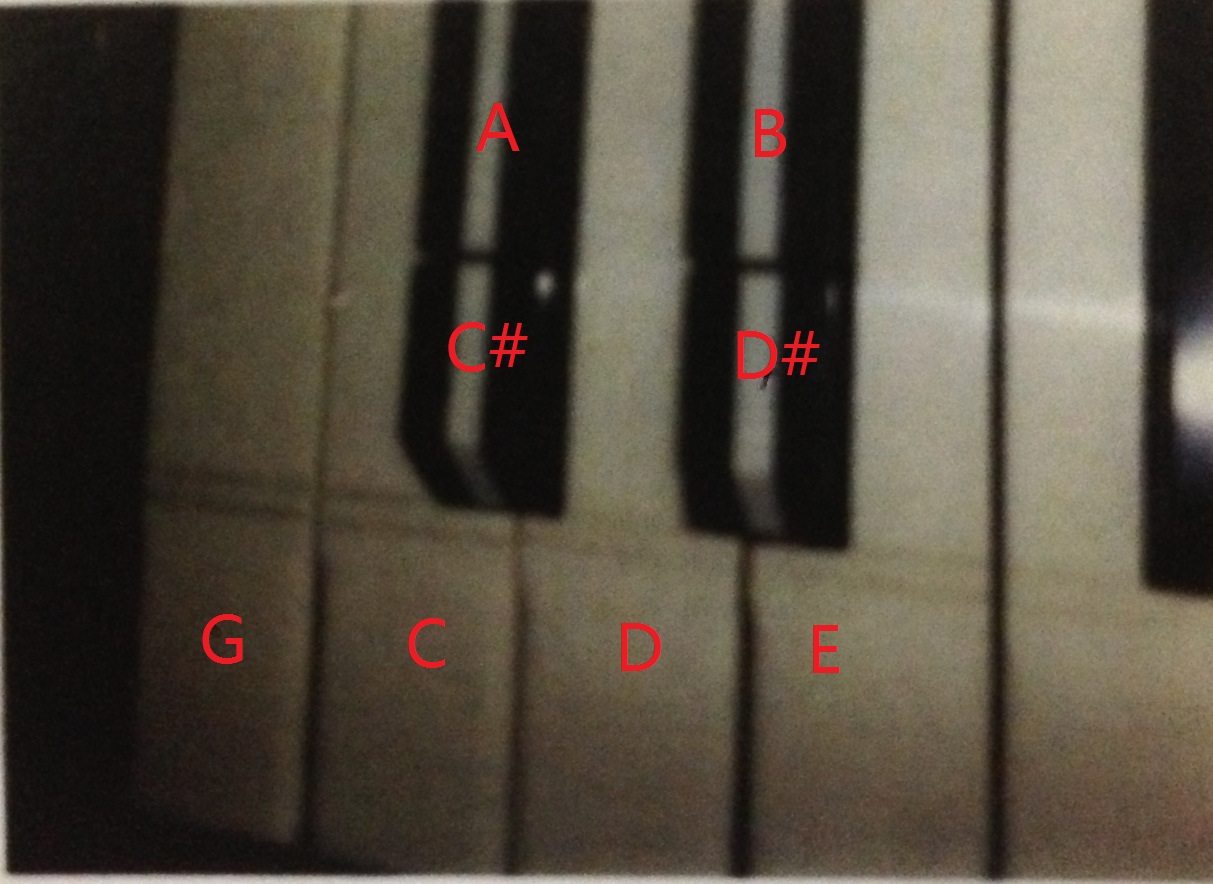
There is often a moment of confusion when a modern player experiences a short octave for the first time, especially one like this instrument where the bottom two sharps are split to provide a front and back half.
This feature can be found in some of the spinet or harpsichord models.
For sample keyboard, it should be tuned as per below:
What is a Broken Octave Keyboard?
-
A keyboard layout used in early pianos, harpsichords, and organs (mainly 16th–18th centuries).
-
Instead of having every chromatic note in the bass, the lowest octave was “broken” or rearranged.
-
Certain rarely used accidentals (like C♯, D♯, F♯ in the lowest octave) were omitted, and their keys were re‑tuned to play more useful bass notes (like C, D, E).
How It Works
-
On a normal keyboard, the lowest octave goes: C – C♯ – D – D♯ – E – F – F♯ – G – G♯ – A – A♯ – B.
-
On a broken octave keyboard, some of those black keys (and even some white ones) were “reassigned.”
-
For example:
-
The key that looks like E♭ might actually sound C.
-
The key that looks like F♯ might actually sound D.
-
This gave players access to the most harmonically important bass notes without needing a longer keyboard.
-
Why It Was Used
-
Space-saving: Early instruments were smaller, so this allowed a wider bass range without extra keys.
-
Cost-saving: Fewer strings and less wood were needed.
-
Musical practicality: In early music, low sharps/flats were rarely used, but low C, D, and E were essential.
Historical Context
-
Common in Italian and Iberian harpsichords of the Renaissance and Baroque.
-
Some early fortepianos also used it.
-
By the late 18th century, as music became more chromatic and instruments grew larger, the full chromatic bass octave replaced the broken octave.
Leave a Reply